Great sound without feedback
Feedback is a headache in live sound, but a well-trained engineer can overcome it. Three fundamentals: speaker placement, the right microphones, and careful EQ.
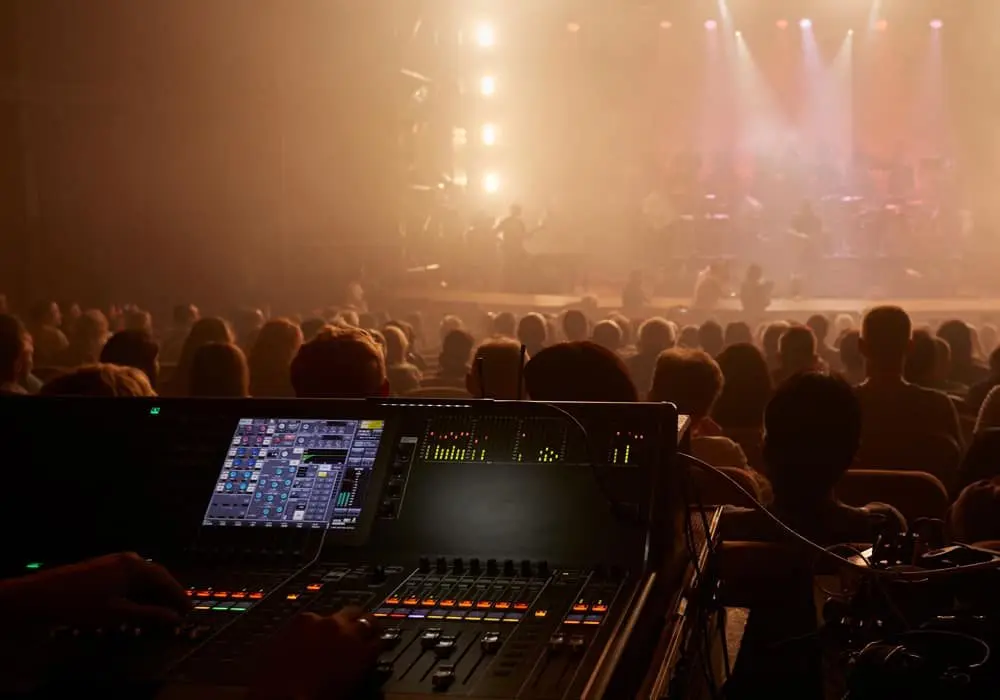
Feedback can cause a headache in a live sound environment, but it is something a well-trained engineer can easily overcome. It happens when a microphone is close enough to a speaker to pick up its own amplified signal, which then loops and builds into a squeal.
Speaker placement
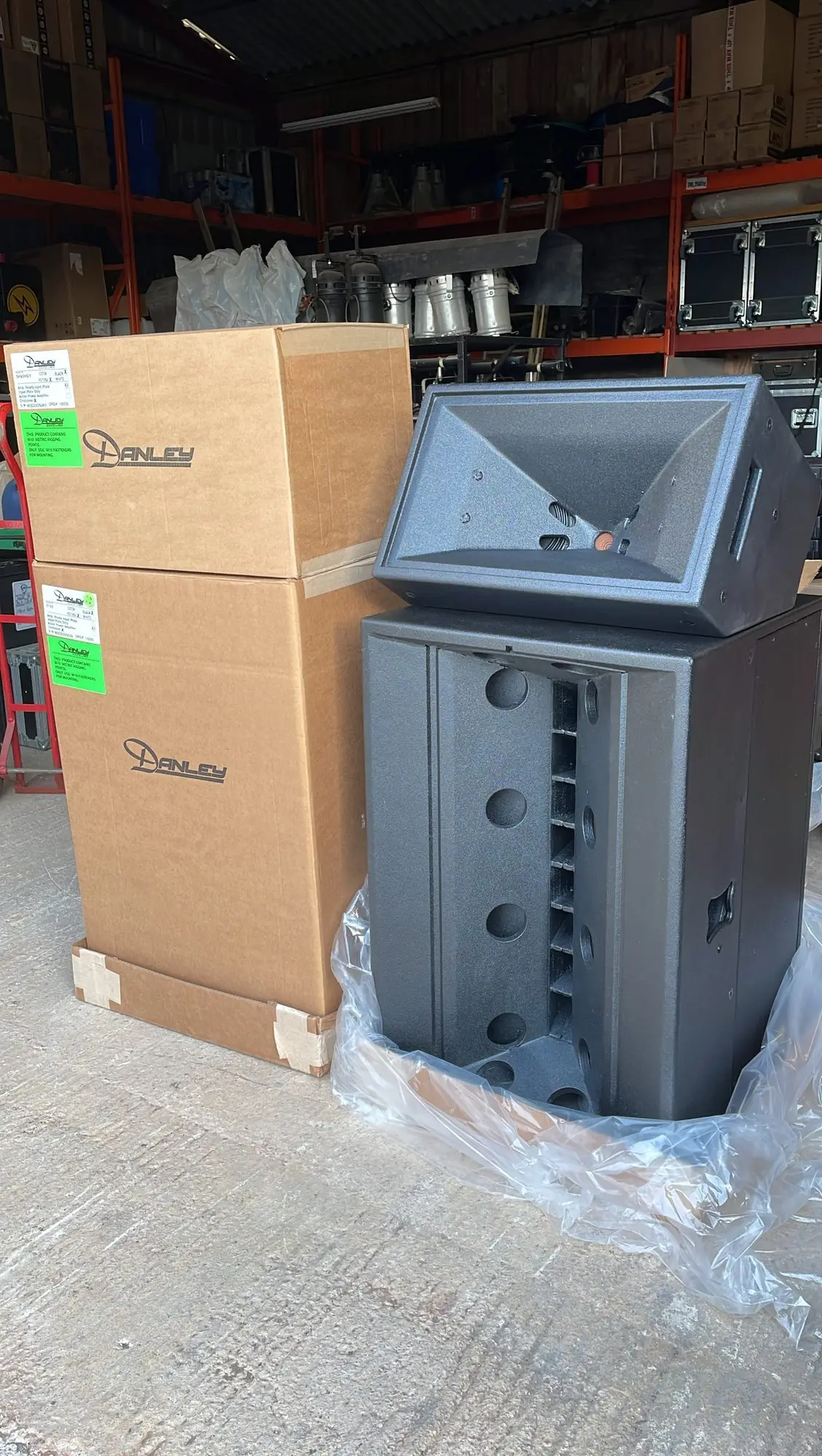
When designing a basic speech system, place the speakers as far from the microphone and as close to the crowd as you can. That does not mean at head height on the front row, which would reflect sound back towards the microphone and subject the front row to high sound pressure levels. Instead, place the speakers three to six feet above head height, angled slightly down into the crowd. In most cases, if you can see the front of the speaker you can hear it, so adjust the height to suit the size of the crowd.
The right microphones
Some microphones are more sensitive than others. If you are only amplifying spoken word, stick to a dynamic microphone. Most have a cardioid polar pattern, accepting sound from the front and rejecting noise from the back. A dynamic microphone is only at its most effective close to the mouth: the further away it is, the more gain you need and the more likely feedback becomes.
EQ
If you have taken the above into account and still need more gain before feedback, EQ the system or the microphone. Analyse the sound, by ear or with a meter, find the problem frequencies that are causing feedback, and reduce the gain of those frequencies on a graphic or parametric EQ.
Contact us for advice or help with sound at your next event.